Residential Plots in Sohna: What Makes a Plot Ready to Build On?
Found a residential plot in Sohna that fits your budget? Before buying, make sure you know when you can actually start building your home. An approved project or promised possession date doesn't always mean construction can begin right away. This guide explains what to check, which questions to ask the developer, and how to avoid delays and unexpected costs.
Residential Plots in Sohna: What Makes a Plot Ready to Build On?
You've found a plot in Sohna that fits your budget. The location looks good, the plot size is right, and you're already thinking about the home you want to build. But there's one question you shouldn't overlook: Can you actually start building on this plot after buying it?
Buying a residential plot and being able to build a house on it are two different things.
When exploring residential plots in Sohna, it's important to look beyond the price and location. You need to know whether the project has the required approvals, how much development work is complete, and when the plot will be handed over.
For example, the project may have an approved layout, but internal roads, drainage, water supply or electricity connections might still be under development. Even after possession, you may need building-plan approval before starting construction.
That's why it's worth asking the developer a few important questions before making a decision. Understanding what is ready, what is still pending, and what permissions you need can help you avoid unexpected delays and plan your future home with greater clarity.
PLOT OWNERSHIP VS CONSTRUCTION
1. Buying a Residential Plot and Building a Home Are Two Different Stages
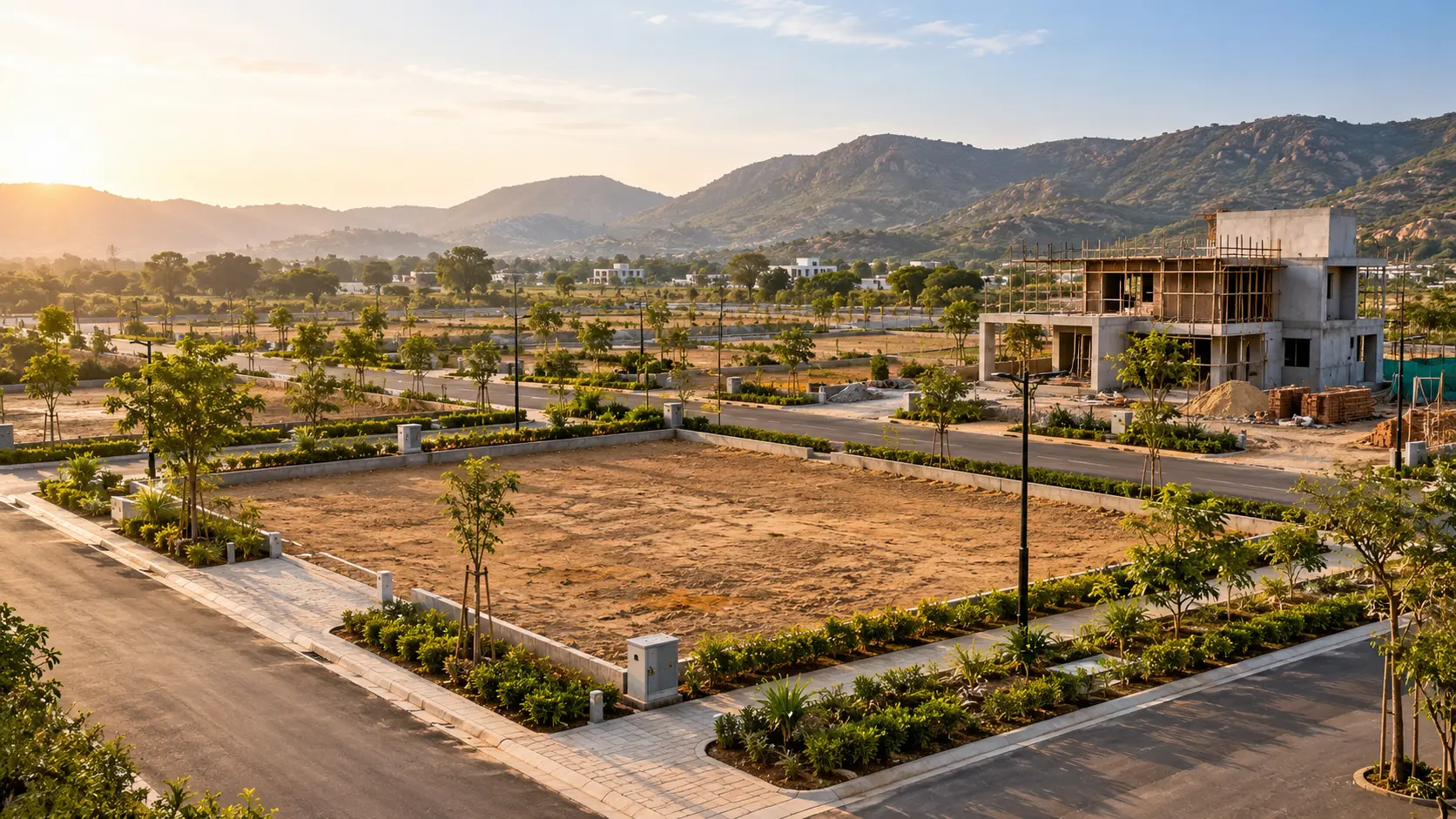
Imagine purchasing a plot today with plans to build your house next year. You've chosen the location, completed the paperwork and started discussing the design with an architect. But when you visit the site, the internal roads are still being developed, and the water and electricity connections are not ready.
The land may belong to you, but starting construction could be more complicated than expected.
This is where buyers need to understand the difference between plot ownership and construction readiness.
Buying a plot involves acquiring the legal rights to a particular piece of land. Building a house involves meeting applicable construction requirements and having suitable access and infrastructure.
Even if you receive possession of your plot, you still need to check whether construction is permitted under the applicable rules and whether your building plan requires approval.
For buyers planning to build their own homes, the key question is not just when they can purchase or take possession of the plot. It is when they can realistically begin construction.
Understanding this difference early can help you choose a project that fits your timeline.
PROJECT APPROVALS
2. What Approvals Should You Check Before Buying a Plot in Sohna?
A residential plot can look ready on a brochure or master plan, but buyers should understand which approvals the project actually has.
For a plot within a planned residential colony in Sohna, the relevant documents may include the development licence, approved layout plan and RERA registration, where applicable.
These documents serve different purposes. They should be checked individually rather than treating one approval as proof that every requirement has been completed.
Is the Residential Colony Layout Approved?
An approved layout plan shows how land within the development has been arranged.
It identifies residential plots, internal roads, access points, open areas and other planned spaces. The approved plan helps buyers understand what is officially permitted within the colony.
Before selecting a plot, ask the developer for the latest sanctioned layout and locate the plot you are considering.
Check whether its number, dimensions and road access match what you have been shown.
For example, if a salesperson tells you that a plot faces a particular road or open space, that information should be checked against the approved layout rather than relying only on a marketing image.
Buyers can also review applicable project disclosures through Haryana RERA and licensing information from the relevant planning authority.
What Permissions Are Required to Build a House?
Approval of a residential colony does not automatically approve every house that will eventually be built there.
When you decide to construct your home, a building plan generally needs to meet the applicable development rules.
These rules determine factors such as permissible construction area, building height, setbacks and other safety requirements.
Depending on the plot and the responsible authority, building-plan approval or an applicable self-certification process may be required.
Before finalising your house design, consult a qualified architect who understands Haryana's building regulations.
This is especially important if you intend to construct multiple floors, a basement or a home with a specific layout.
The right approach is to understand your plot's construction limits before spending money on detailed architectural plans.
LAYOUT & BUILDING LIMITS
3. How Can You Verify the Plot's Layout and Construction Limits?
Two residential plots can have the same area but offer different possibilities for building a home.
A plot's shape, width, depth, road access and applicable construction rules can influence its usable space.
So before choosing a plot, look beyond the total square yards mentioned in the brochure.
Checking Plot Dimensions, Boundaries and Road Access
Start with the plot's measurements.
Ask for a dimensioned layout showing its frontage, depth and boundaries. Compare these details with the official plan and the plot identified on the site.
A plot with a wider frontage may offer more flexibility for arranging an entrance, parking and internal spaces than a narrower plot of the same area.
Road access also matters. Check the approved width of the adjoining road and how vehicles will enter and leave the property.
During your site visit, try to identify the actual plot boundaries rather than estimating the location from a printed map.
If boundary markings are missing or the site does not match the plan, ask for clarification before proceeding.
Understanding FAR, Setbacks and Permissible Construction
Suppose you purchase a 178-square-yard plot and plan a house with several floors.
Can you construct across the entire plot? How much space must remain open? Will the layout allow the number of bedrooms and parking spaces you want?
These questions depend partly on the applicable building rules.
Floor Area Ratio (FAR) is used to determine the permissible floor area in relation to the plot area. Setbacks refer to spaces that must be left between the building and specified plot boundaries.
Permissible ground coverage, building height and other conditions also influence the final design.
The exact limits can vary according to the relevant policy, plot category, approvals and applicable regulations.
Instead of assuming that all plots in Sohna have identical construction rights, ask an architect to examine the rules that apply to your particular plot.
This can help you assess whether the house you have in mind is practical before buying the land.
INFRASTRUCTURE READINESS
4. How Does Project Development Affect Construction Readiness?
An approved residential project still needs physical infrastructure before it can function as a neighbourhood.
Roads, drainage, electricity and water systems may not be the most exciting parts of a residential development, but they are essential for everyday living.
They can also affect the practical arrangements required during construction.
Internal Roads and Drainage Infrastructure
Think about what happens when construction materials need to reach your plot.
Trucks may need to deliver bricks, steel, sand and other materials. Workers require safe access, and the site needs a suitable route for moving equipment.
If the internal road network is incomplete, these activities may become difficult.
Drainage is equally important.
A proper drainage system helps manage rainwater and reduces the risk of water collecting around roads and plots.
During a site visit, check which roads have been completed, whether drainage work is visible and what development activities are still pending.
Do not assume that a road shown on the master plan has already been constructed.
Ask the developer about its completion schedule and the arrangements available for accessing individual plots.
Water Supply, Electricity and Sewerage Facilities
A residential community needs more than a connection shown on a development plan.
Water supply, electricity distribution and sewerage systems must be developed and made operational through the relevant arrangements.
Buyers should ask whether these facilities are planned, under construction, tested or already available for use.
These stages are different.
For example, an electrical distribution network might be installed while individual connections are still pending. Similarly, a water supply system may be planned without water being available at every plot.
If you intend to begin construction soon after possession, ask what arrangements will be available for construction water and temporary electricity.
It is also worth understanding who is responsible for service connections and whether individual connection charges will apply.
POSSESSION & BUILDING TIMELINE
5. When Can You Expect Possession of Your Residential Plot?
For many buyers, possession is one of the most important dates in the purchase process.
But a possession date needs to be understood properly.
It should be connected to the developer's written commitments, the development schedule and the conditions under which the plot will be handed over.
How to Verify the Developer's Possession Timeline
Start by asking the developer for the expected possession date in writing.
Next, compare it with the timeline mentioned in the agreement for sale and the relevant RERA project disclosures.
For registered developments, Haryana RERA provides project information that may include completion schedules and progress updates.
You should also ask what exactly is expected to be ready when possession is offered.
Will the plot boundaries be identified? Will access roads be available? Which infrastructure services are expected to be completed at that stage?
These questions are important because the expected handover of an individual plot and completion of an entire residential colony may follow different timelines.
If the dates in the brochure, agreement and regulatory disclosures differ, ask the developer to explain the distinction in writing.
Does Getting Possession Mean You Can Start Construction?
Not necessarily.
Possession means the plot is being handed over under the applicable terms. It does not automatically establish that every building permission has been obtained or that construction can begin immediately.
Before starting work, you need to check the applicable building-plan process, construction conditions and practical availability of site access and services.
For example, a buyer may receive possession but still need time to appoint an architect, prepare drawings, obtain the required permissions and arrange utilities.
A more useful question for the developer is:
"If I receive possession on the expected date, what additional steps will I need to complete before construction can begin?"
The answer can give you a much clearer picture of your actual timeline.
COST PLANNING
6. What Additional Costs Should Buyers Plan for Before Construction?
The price of a residential plot is only one part of the overall budget.
If you plan to build a house, you also need to consider the expenses involved in purchasing the property, preparing for construction and completing the home.
Some costs arise at the time of purchase, while others may come months or years later.
Stamp duty, registration charges and any applicable development or other charges should be understood before signing the agreement.
You may also need to budget for an architect, building-plan preparation, structural design, soil investigation and necessary approvals.
Once construction begins, expenses will include labour, materials, plumbing, electrical work, flooring, doors, windows and finishing.
Utility connections and temporary construction services may involve separate costs.
For residential plots in Sohna, buyers should request a clear written breakdown of charges from the developer and ask which amounts are included in the quoted plot price.
You should also allow some flexibility in your construction budget. Design changes, material prices and site conditions can affect the final cost.
Planning these expenses early is better than discovering them after purchasing the plot.
SITE VISIT CHECKLIST
7. Important Questions to Ask the Developer During a Site Visit
A site visit is more useful when you arrive with specific questions.
Instead of only looking at the entrance, landscaping and location, spend time understanding the actual development.
Here are the questions worth asking:
- Which project approvals have been obtained? Ask where you can check the approved layout, licence and applicable RERA registration.
- What is the current development status? Find out which roads, drainage systems and utility works are complete.
- When is possession expected? Request the timeline in writing and understand what will be handed over.
- Can I begin construction immediately after possession? Ask about building-plan requirements, construction guidelines and any site restrictions.
- What are the exact dimensions of my plot? Compare the information with the approved layout.
- Which charges are included in the price? Ask for a complete breakdown and details of future payments.
- What if development or possession is delayed? Understand the relevant agreement terms and available remedies.
- Who will maintain the common infrastructure? Ask how roads, shared facilities and other common services will be managed after development.
The purpose of asking these questions is not to make the buying process complicated.
It is to replace assumptions with information that you can verify.
PLANNED DEVELOPMENT
8. Understanding Planned Residential Development in Sohna
When buyers compare residential plots in Sohna, they often focus on the individual plot. However, the planning of the surrounding community can be just as important.
A planned residential development involves decisions about land use, road networks, access points, plot arrangement, utility services and shared spaces.
These elements need to work together.
For instance, a well-positioned plot may still be inconvenient if the road access is poor or if the surrounding infrastructure is not completed as expected.
A useful way to evaluate a development is to look at three stages: what has been approved, what has been constructed and what is still planned.
AQVA The Reserve: An Example from Sector 5, Sohna
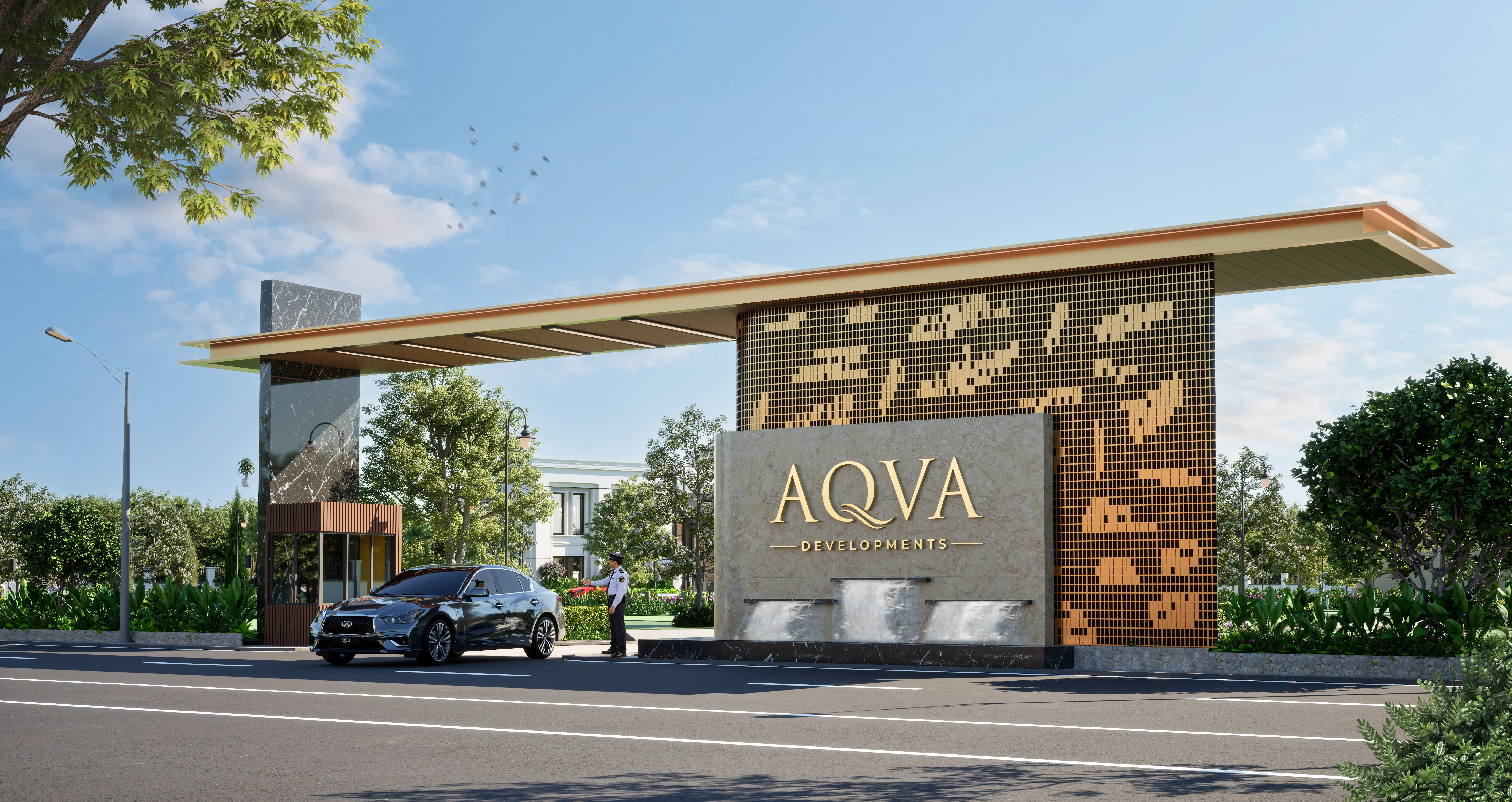
AQVA The Reserve provides an example of a planned residential plotted development in Sector 5, Sohna, Gurugram.
According to AQVA Developments, the community is planned across approximately 5.06 acres and is marketed with 78 residential plots.
The project is registered with Haryana RERA under registration number GGM/1058/790/2026/30, dated 4 May 2026. The authority identifies Dreamways Infra Projects Private Limited as the registered promoter.
Its regulatory filing also records approval of the latest project layout on 8 January 2026.
These details give buyers a starting point for checking the project through official records.
However, RERA registration and layout approval should not be confused with confirmation that all infrastructure is complete or that an individual buyer can immediately begin construction.
Someone considering a plot at AQVA The Reserve should still review the approved layout, available plot documents, written possession terms and latest development updates.
The same approach applies to other planned residential projects in Sohna.
For project details, buyers can refer to AQVA Developments, the AQVA The Reserve project website and the official Haryana RERA project record.
FINAL CHECKLIST
9. Final Checklist: Is Your Plot Ready for the Next Step?
Before making a final decision, review the following points.
- The developer has provided the relevant project approvals and registration details.
- The selected plot appears on the approved layout.
- Plot dimensions, boundaries and road access have been checked.
- Applicable construction limits and building-plan requirements are understood.
- Internal road and drainage development has been reviewed.
- Water, electricity and sewerage arrangements have been clarified.
- The expected possession date is documented.
- Any difference between plot possession and project completion dates has been explained.
- All applicable charges and future expenses have been considered.
- A qualified architect or relevant professional has reviewed the construction requirements.
Not every item needs to be physically complete at the time of purchase. That depends on your requirements and when you intend to build.
What matters is knowing which conditions are already satisfied, what remains pending and how that affects your plans.
FREQUENTLY ASKED QUESTIONS
10. Frequently Asked Questions
Can I Start Building Immediately After Buying a Residential Plot in Sohna?
Not always. Purchasing a plot does not automatically mean construction can begin immediately. You should check possession conditions, applicable building-plan requirements, permitted construction limits and the availability of essential infrastructure.
Does RERA Registration Mean a Plot Is Ready for Construction?
No. RERA registration provides a regulatory framework for applicable real estate projects and project-related disclosures. It does not, by itself, confirm that all development work has been completed or that an individual house is approved for construction.
How Can I Check the Approved Layout of a Residential Colony?
Request the latest approved layout from the developer and check the relevant project disclosures through Haryana RERA or the appropriate planning authority. Compare the plot number, dimensions, boundaries and road access with the approved plan.
What If the Developer Has Not Completed the Infrastructure?
Ask which works are pending and when they are scheduled for completion. Compare the developer's explanation with written commitments and applicable project disclosures. If the delay affects possession or your ability to use the plot, review the agreement and consider independent legal advice before making further decisions.
Which Documents Should I Check Before Starting Construction?
The documents may include proof of your rights over the plot, the approved colony layout, relevant property and possession documents, and building-plan approvals or self-certification records where applicable.
A qualified architect can help identify the requirements for your particular plot under the applicable Haryana building rules.
CONCLUSION
Conclusion
Buying a residential plot gives you the opportunity to plan a home around your needs. But turning that plot into a house takes more than selecting a location and completing the purchase.
Approvals, construction rules, roads, utilities and possession timelines all influence when you can actually begin building.
If you're exploring residential plots in Sohna, take time to understand these details before choosing a property. Ask for supporting documents, visit the site and speak with an architect about your construction plans.
A plot should not only fit your budget today. It should also be suitable for the home you want to build in the future.

PLANNING TO BUILD IN SOHNA?
Check the Plot.
Plan the Build.
Understand project approvals, infrastructure, possession conditions and building requirements before you commit.
RELATED ARTICLES
More Buyer Guides

How to Verify Plot Ownership
Documents in Gurgaon
Read Article

Plots with Clubhouse
in Sohna
Read Article